

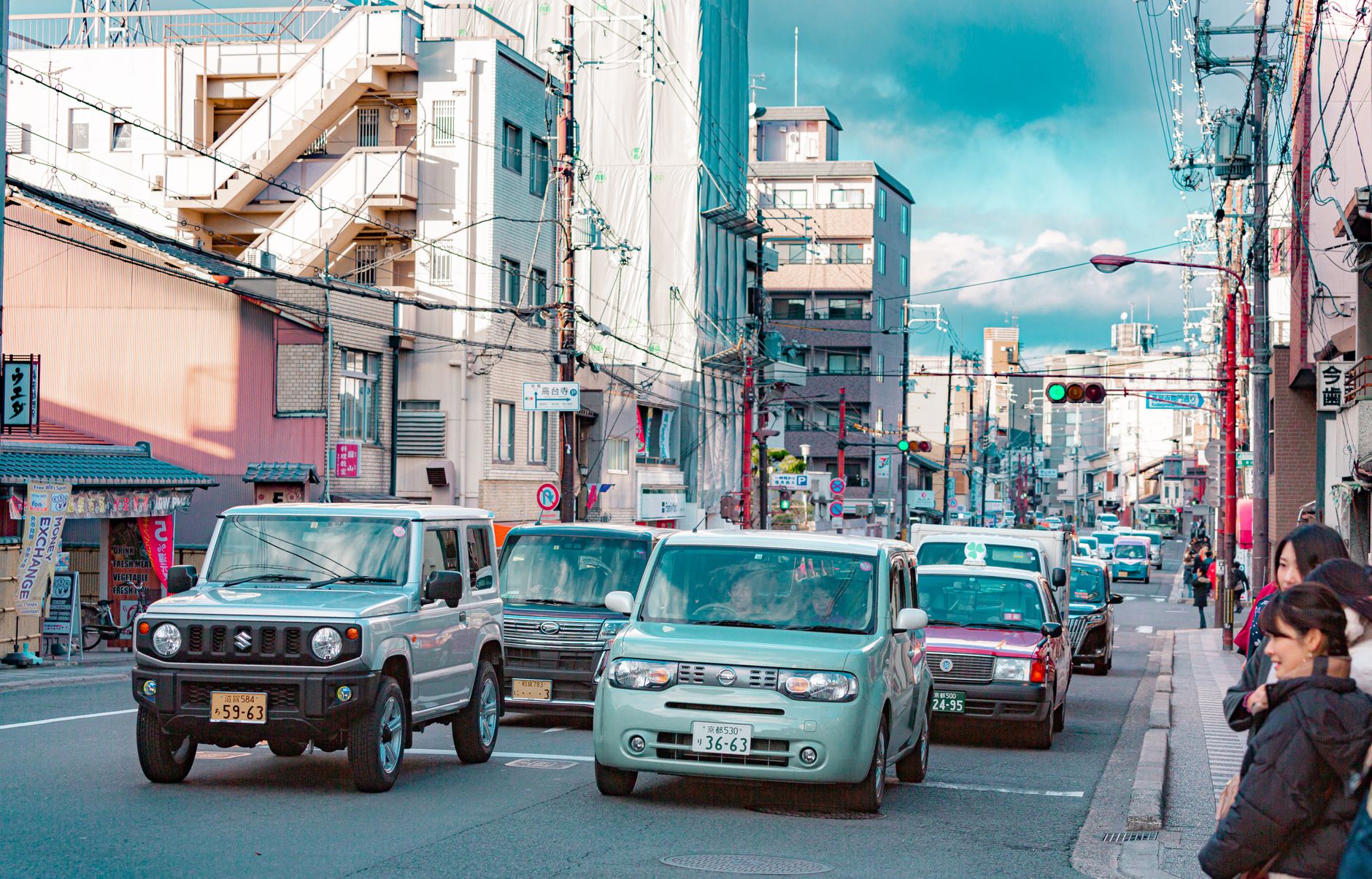
Bihari move to Japan is a significant decision for many individuals. Recently, one person had just two hours to make this life-changing choice.
Understanding the Bihari Community
The Bihari community, known for its resilience and adaptability, has established itself in various parts of the world. With a rich cultural heritage and diverse skill sets, they have often sought opportunities beyond their home state of Bihar, India. The recent surge in the Bihari move to Japan highlights the community’s eagerness to embrace new challenges and environments.
Many Biharis have found success in fields such as:
- Skilled labor: Engaging in industries where their expertise is in demand.
- Technology: Contributing to Japan’s growing tech sector with innovative solutions.
- Hospitality: Working in restaurants and hotels, providing authentic experiences.
Despite the promising prospects, this hasty decision often comes with significant consequences. As one individual noted, they had only two hours to decide on their move, reflecting the urgency and pressure faced by many in the community. Such quick decisions can lead to feelings of uncertainty and anxiety, as the transition to a new country involves navigating cultural differences and establishing a new life.
Ultimately, the Bihari move to Japan is not just about seeking better opportunities; it represents a broader narrative of migration and adaptation in today’s globalized world.
Challenges of Moving Abroad
The decision to migrate can often come with significant challenges, especially for individuals from the Bihari community contemplating a Bihari move to Japan. Many are faced with the daunting task of leaving behind their familiar lives and adapting to a completely different culture.
One of the primary challenges is the language barrier. For many, Japanese is not just a new language but a complex system of communication that can hinder both social integration and professional opportunities. Without proficiency in Japanese, Biharis may struggle to find jobs and build connections.
Additionally, navigating the legal requirements for immigration can be overwhelming. From obtaining the necessary visas to understanding local laws, the bureaucratic hurdles can be both confusing and time-consuming.
Another significant concern is the financial aspect of relocating. The cost of living in Japan can be substantially higher than in Bihar, necessitating careful budgeting and financial planning.
- Language barriers
- Bureaucratic hurdles
- Financial challenges
These factors contribute to the stress and complexity of making a swift decision, highlighting the real consequences of a hasty Bihari move to Japan.
Bihari Move to Japan: What to Expect
The Bihari move to Japan has sparked a wave of interest among many individuals considering relocation for better opportunities. As families contemplate this significant change, several factors should be kept in mind.
- Cultural Adaptation: Biharis may find the transition challenging due to language barriers and cultural differences. Understanding Japanese customs will be crucial for integration.
- Job Opportunities: Japan offers a variety of job prospects, especially in sectors like manufacturing and technology. However, competition can be fierce.
- Cost of Living: While potential salaries may be higher, the cost of living in Japan can also be substantial. Careful financial planning is essential.
- Legal Requirements: Securing the appropriate visa and residency status is a critical step. Prospective movers need to familiarize themselves with immigration laws.
- Community Support: Connecting with local Bihari and Indian communities in Japan can provide valuable support and networking opportunities.
Ultimately, the Bihari move to Japan is not just a change of location; it represents a chance for personal and professional growth, albeit accompanied by its own set of challenges.
Cultural Adaptation in a New Country
The Bihari move to Japan brings with it a significant cultural adjustment that many immigrants may not be prepared for. Moving to a new country often involves not only the logistics of relocation but also the challenge of immersing oneself in an entirely different cultural landscape.
For many Biharis, the initial excitement of starting anew can quickly transform into a struggle as they navigate the nuances of Japanese society. Key aspects of cultural adaptation include:
- Language Barrier: Mastering Japanese can be daunting, leading to feelings of isolation.
- Social Norms: Understanding the importance of etiquette and respect in Japanese culture is crucial for building relationships.
- Workplace Dynamics: Adapting to a different work culture, including hierarchy and teamwork, can be challenging.
- Community Integration: Finding a supportive community is essential for emotional well-being.
Despite these challenges, many Biharis are eager to embrace their new life in Japan. The move offers opportunities for personal and professional growth, making the effort to adapt worthwhile. Ultimately, the experience can lead to a richer understanding of both their own culture and that of Japan.
Opportunities for Biharis in Japan
The recent trend of the Bihari move to Japan has opened up several opportunities for individuals seeking a better life. Many Biharis are now exploring the potential benefits of relocating to this economically vibrant country.
Some of the key opportunities include:
- Employment Prospects: Japan has a growing demand for skilled labor, particularly in sectors such as IT, healthcare, and manufacturing, which can be advantageous for Bihari professionals.
- Higher Wages: Jobs in Japan typically offer higher salaries compared to similar positions in India, providing Biharis with the chance to improve their financial stability.
- Cultural Exchange: Moving to Japan allows Biharis to experience a rich culture and share their own traditions, fostering a unique exchange that can benefit both communities.
- Language Skills: Learning Japanese can enhance employability and open doors to further opportunities, making language acquisition a valuable asset for Bihari migrants.
While the Bihari move to Japan is a significant decision, the potential for personal and professional growth can be a compelling reason for many to embark on this journey.
Personal Stories of Migration
The personal stories of those who have made the Bihari move to Japan reveal a tapestry of hope, anxiety, and resilience. Many individuals faced life-changing decisions with little time to prepare. One such story involves Rajesh, who received a job offer late one evening and was given only two hours to decide.
“I was shocked,” he recalls. “My family was excited, but the pressure was immense. I had to think about my responsibilities back home.” Rajesh ultimately chose to embrace the opportunity, leaving behind his familiar surroundings for an uncertain future.
Others, like Priya, highlight the emotional challenges of migration. “I felt torn between pursuing my dreams and leaving my family,” she shares. “But I knew the Bihari move to Japan could change everything for us.”
These stories reflect a broader trend within the Bihari community, where aspirations often clash with immediate realities. They emphasize both the courage it takes to leave home and the profound impact such decisions have on families left behind. Many individuals express a sense of duty to make the most of their new opportunities while staying connected to their roots.
The Decision-Making Process
The decision-making process for many Biharis contemplating a move to Japan can be incredibly swift and intense. In some cases, individuals receive offers with little notice, prompting them to make life-altering choices within hours.
One notable example is a recent story where a Bihari individual had just two hours to decide whether to accept a job offer in Japan. The urgency of the situation reflects the high stakes involved in such a significant change.
During this brief window, prospective migrants often consider several key factors:
- Career Opportunities: The potential for better job prospects drives many Biharis to make the leap.
- Family Impact: Decisions are rarely made in isolation; families must also weigh the implications of such a move.
- Cultural Differences: Concerns about adapting to a new culture can create anxiety.
- Financial Considerations: The costs associated with relocation and initial settlement in Japan are crucial.
Ultimately, the Bihari move to Japan often becomes a reflection of both personal ambition and collective community aspirations.
Conclusion: Is It Worth It?
In conclusion, the decision for a Bihari move to Japan is not one to be taken lightly. While the prospects of better employment and a new life can be enticing, the implications of such a swift choice must be carefully considered. Individuals often find themselves torn between the allure of opportunity and the comfort of familiarity.
Before making this significant leap, it is crucial to weigh a range of factors:
- Employment Opportunities: Japan offers various jobs, but the competition can be fierce, and language barriers may pose additional challenges.
- Cultural Adaptation: Adapting to a new culture requires patience and resilience, and not everyone may find it easy to assimilate.
- Social Support: Leaving behind a close-knit community can lead to feelings of isolation, making it essential to build a support network in Japan.
- Financial Considerations: Initial costs, including relocation and living expenses, should be meticulously planned.
Ultimately, whether the Bihari move to Japan is worth it depends on individual circumstances and readiness to embrace change. Making the right choice could lead to enriching experiences, while the wrong one may result in unforeseen challenges.
Photo by Songhan Wu on Pexels