

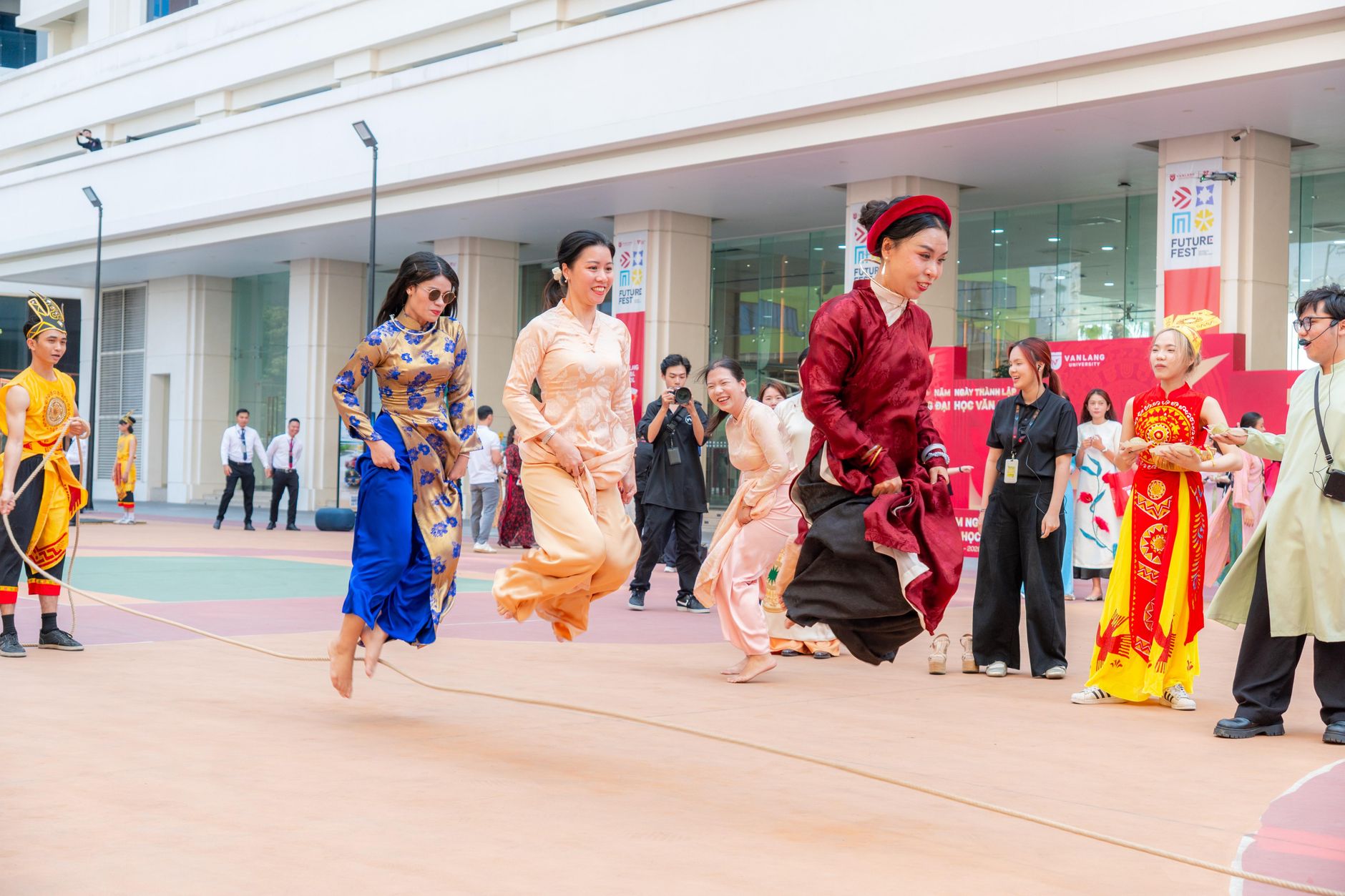
The Asian Games performance review is set to take place on October 13, focusing on the outcomes and lessons learned from the recent event.
Overview of the Asian Games
The Asian Games, a premier multi-sport event, brought together athletes from across Asia to compete at the highest level. This year’s edition, however, has prompted a closer examination of national teams’ performances. As the excitement of the games fades, discussions surrounding the results have intensified.
Despite high expectations, many teams faced significant challenges, leading to a performance review that aims to identify key issues. The Sports Ministry, alongside various federations, is set to conduct a thorough analysis of the Asian Games performance on October 13.
Some of the areas under scrutiny include:
- Training regimens: Were athletes adequately prepared?
- Coaching strategies: Did coaches implement effective tactics during competitions?
- Injury management: How were injuries handled, and did they impact overall performance?
- Support systems: Were athletes given sufficient resources and support?
This performance review aims to ensure better outcomes for future competitions.
Key Highlights from the Event
The Asian Games showcased a mix of triumphs and challenges for participating nations, leading to a need for a comprehensive performance review. Key highlights from the event include:
- Medal Count Discrepancies: Some countries fell short of their expected medal counts, prompting questions about training and preparation strategies.
- Emerging Talents: New athletes emerged on the scene, demonstrating remarkable potential and highlighting the importance of nurturing young talent.
- Disappointing Outcomes: Several marquee athletes underperformed, raising concerns about mental and physical readiness.
- Team Dynamics: Certain teams struggled with coordination and strategy, which hindered their overall success.
- Support from Federations: The role of national federations and their support systems came under scrutiny, indicating a need for better resources.
The upcoming performance review will address these issues as stakeholders seek to enhance future participation in the Asian Games.
Challenges Faced by Athletes
The Asian Games performance review highlights several challenges faced by athletes that contributed to their overall outcomes. From inadequate preparation to unforeseen circumstances, these obstacles hindered many competitors from achieving their best results.
- Injury Concerns: Many athletes entered the Games with pre-existing injuries, which limited their ability to perform at peak levels.
- Weather Conditions: Unfavorable weather impacted training schedules and event performances, particularly in outdoor sports.
- Logistical Issues: Some teams faced delays in travel and accommodation, affecting their readiness and mental focus.
- Inconsistent Support: A lack of consistent coaching and support staff led to confusion and disorganization among athletes.
These factors, among others, will be critical points of discussion during the upcoming review by the Sports Ministry and federations. A thorough analysis of the Asian Games performance review will be essential to address these challenges and improve future outcomes.
Asian Games performance review: What to Expect
As the dust settles on the recent Asian Games, stakeholders are gearing up for a thorough Asian Games performance review. Scheduled for October 13, a meeting involving the Sports Ministry and various sports federations aims to dissect the outcomes and pinpoint areas for improvement.
Expectations are high as the review will delve into several critical aspects:
- Assessment of Athlete Preparation: Evaluating training regimens and support systems.
- Performance Metrics: Analyzing medal counts and individual achievements against set targets.
- Resource Allocation: Investigating funding and facilities available to athletes.
- Coaching and Support Staff: Reviewing the effectiveness of coaching strategies and support systems.
The outcome of this review could shape future strategies, ensuring athletes receive the necessary support to excel in subsequent competitions. Stakeholders anticipate identifying actionable insights to enhance performance and address any shortcomings revealed during the games.
Feedback from Sports Federations
As the dust settles on the recent Asian Games, feedback from various sports federations has started to pour in, highlighting several areas of concern. Many federations are calling for a thorough performance review to address the shortcomings observed during the event.
- Inconsistent Training Programs: Several coaches noted that athletes lacked access to uniform training methodologies, which hindered their performance.
- Resource Allocation: Federations pointed out that financial support did not match the needs of their respective sports, impacting athlete preparation.
- Inadequate Support Staff: Many athletes felt that the absence of sufficient medical and psychological support affected their performance under pressure.
- Competition Experience: A recurring issue mentioned was the lack of exposure to high-stakes competitions, which left athletes unprepared for the intensity of the Asian Games.
These insights underscore the urgent need for a detailed review of the Asian Games performance, paving the way for improved strategies and support systems in future events.
Future Recommendations for Improvement
As the Asian Games performance review approaches, it is essential for stakeholders to focus on actionable recommendations that can lead to improved outcomes in future events. The following suggestions aim to address the challenges faced by athletes and enhance overall performance:
- Enhanced Training Programs: Invest in specialized training that caters to the unique demands of each sport, ensuring athletes are well-prepared for competition.
- Increased Funding: Allocate more resources to athletes, providing them with better facilities, equipment, and nutritional support.
- Psychological Support: Implement mental health programs to help athletes cope with pressure and maintain focus during competitions.
- Data Analytics: Utilize technology and data analysis to assess performance metrics, allowing for tailored training strategies and technique improvements.
- Collaboration with Experts: Engage former athletes and coaches to provide insights and mentorship to current competitors.
By addressing these areas, the Asian Games performance review can lead to significant advancements and better results in future competitions.
Conclusion and Next Steps
As the Asian Games performance review concludes, it is evident that several factors contributed to the less-than-expected outcomes for many athletes. While there were notable achievements, the overall sentiment suggests that lessons must be learned to enhance future participation.
In light of this review, the Sports Ministry and various federations are set to convene on October 13 to dissect the findings and create actionable steps. The discussions will focus on identifying key areas needing improvement, including:
- Enhanced training facilities and resources
- Better mental health support for athletes
- Strategic selection processes for competitions
- Increased funding for underrepresented sports
Next steps will involve implementing these recommendations while ensuring that athletes receive the necessary support to excel in international competitions. Moving forward, the goal is to turn insights from the Asian Games performance review into a robust framework that fosters success and resilience among athletes.
The Asian Games performance review reveals several critical areas where athletes struggled to meet expectations. Factors such as inadequate preparation and lack of support contributed to the disappointing outcomes highlighted in the Asian Games performance review.
Photo by VINVIVU ® on Pexels