

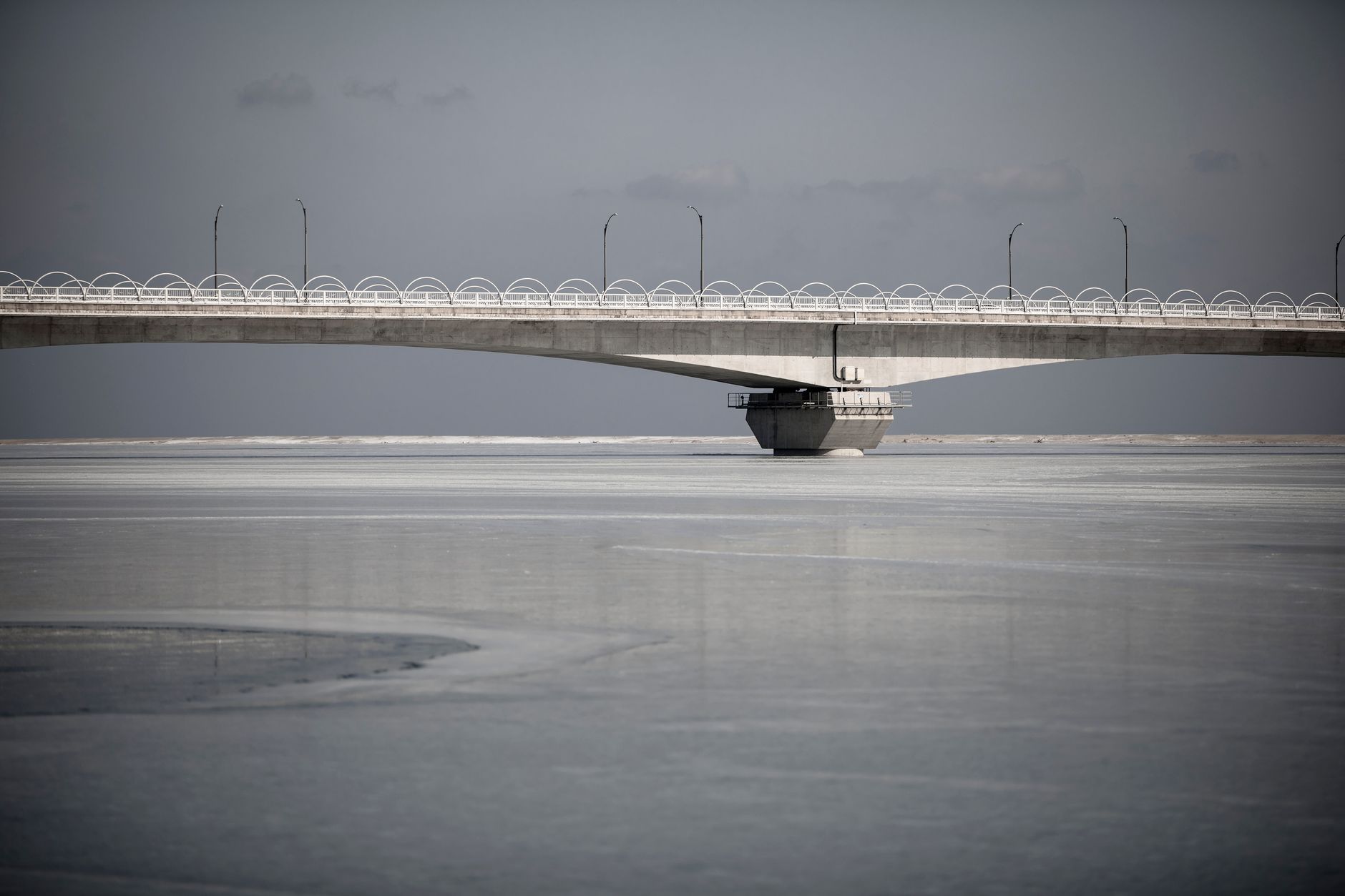
The North Korea Russia bridge marks a significant milestone in their relationship, symbolizing the growing partnership between the two nations.
Overview of the North Korea Russia bridge
The recent inauguration of the North Korea Russia bridge marks a significant milestone in the relationship between the two nations. This bridge, which spans the Tumangang River, serves not only as a physical connection but also as a potent symbol of expanding ties between Pyongyang and Moscow.
Constructed to facilitate trade and transport, the North Korea Russia bridge is expected to enhance economic collaboration in various sectors, including agriculture and infrastructure development. Both countries have expressed hopes that the new link will lead to increased exchanges and mutual benefits.
The bridge’s opening comes at a time when international sanctions against North Korea have intensified, pushing the nation to seek closer ties with Russia. Observers note that this infrastructure project could be seen as a response to geopolitical shifts and a step towards strengthening alliances in the face of external pressures.
Officials from both countries attended the inauguration ceremony, emphasizing the importance of the bridge in fostering cooperation. North Korea and Russia are poised to explore joint ventures that may arise from this new connection, further solidifying their partnership.
As the North Korea Russia bridge begins its operational phase, it remains to be seen how this development will impact regional dynamics and whether it will serve as an effective vehicle for deepening bilateral relations.
Historical context of ties
The historical context of ties between North Korea and Russia has been complex and multifaceted. Over the decades, both nations have navigated a series of political and economic challenges, often seeking each other out as allies, especially during periods of international isolation.
Since the end of the Cold War, relations between the two countries have fluctuated. Initially, North Korea benefited from extensive support from the Soviet Union, which provided military assistance and economic aid. However, the dissolution of the Soviet Union in 1991 significantly altered this dynamic, leaving North Korea to rely more on its own resources.
In recent years, the geopolitical landscape has shifted once again, prompting a rekindling of ties. The increasing sanctions imposed on North Korea by the international community have led the nation to seek closer relationships with countries like Russia. The North Korea Russia bridge, which has now been opened, serves as a physical and symbolic representation of this renewed partnership.
As both nations face pressure from Western powers, their collaboration appears to be strengthening. This bridge not only facilitates trade and transportation but also signifies a mutual commitment to support each other amid changing global dynamics. Observers suggest that the bridge may well be the best symbol of ties between North Korea and Russia, marking a new chapter in their relationship.
Significance of the new bridge
The opening of the North Korea Russia bridge marks a significant milestone in the evolving relationship between the two nations. This infrastructure project is not just a physical connection; it symbolizes the deepening ties and mutual interests that have been cultivated over recent years.
As both governments face increasing isolation and sanctions from the international community, this bridge serves multiple strategic purposes:
- Economic Cooperation: The bridge is expected to facilitate trade and enhance economic collaboration, allowing both countries to share resources and goods more efficiently.
- Political Alliance: The project reflects a shared political ideology, with both nations often aligning on various global issues. Their collaboration may strengthen their positions against Western powers.
- Security Concerns: The bridge could also be viewed as a response to perceived threats, allowing for quicker military logistics and coordination if necessary.
Furthermore, the North Korea Russia bridge is a potent symbol of resilience and partnership. In a world where geopolitical dynamics are constantly shifting, the successful completion of this bridge underscores the commitment of both countries to foster a durable alliance. It stands as a testament to their willingness to collaborate in the face of adversity and signals to the international community that they are forging a path together, despite external pressures.
Future implications for relations
The recent inauguration of the North Korea Russia bridge marks a significant turning point in the relations between the two nations, with potential implications that could reshape their future interactions. As both countries seek to bolster their economic and political ties, this bridge serves as a tangible symbol of their growing cooperation.
In the wake of international sanctions, North Korea has increasingly turned to Russia for support, and the bridge is expected to facilitate trade and movement between the two countries. This infrastructure is not just a physical connection; it represents a strategic alliance that could impact regional dynamics.
The bridge is likely to enhance the flow of goods, services, and even military resources, potentially inviting further scrutiny from global powers, particularly the United States and South Korea. As the two nations deepen their ties, concerns about the implications for security in the region are rising.
Moreover, the North Korea Russia bridge could pave the way for future projects that further integrate their economies. Analysts suggest that this development might encourage other nations to reconsider their stance on North Korea, especially as it seeks to engage more with Moscow.
Ultimately, the ramifications of this bridge extend beyond mere logistics; they signal a shift in geopolitical alliances that could have lasting effects on international relations.
Reactions from the international community
The recent inauguration of the North Korea Russia bridge has elicited a range of reactions from the international community, highlighting both concern and skepticism regarding the implications of this new connection. Many analysts view the bridge as a symbol of expanding ties between the two nations, especially given their histories of mutual support against Western sanctions and pressures.
Western governments have expressed alarm, interpreting the bridge as a potential threat to regional stability. A spokesperson from the U.S. State Department stated that the bridge “could facilitate increased military cooperation” between North Korea and Russia. This sentiment was echoed by several neighboring countries, which fear that closer ties might embolden North Korea in its pursuit of nuclear capabilities.
On the other hand, some experts argue that the bridge may serve as a pragmatic solution for both countries. They suggest that enhancing trade and cooperation might lead to a degree of economic stability for North Korea, potentially reducing the likelihood of aggressive actions. Economists point out that the bridge could open new avenues for trade, benefiting both nations in the long run.
In conclusion, while the North Korea Russia bridge stands as a significant development, the international community remains divided on its potential impact. The complexities of global politics and regional security will continue to shape the discourse surrounding this new infrastructure.
Economic impact of the bridge
The recent inauguration of the North Korea Russia bridge is anticipated to have significant economic implications for both nations. As a new conduit for trade, this bridge is expected to enhance the flow of goods and resources across the border. By facilitating easier access, it may lead to a marked increase in bilateral trade, which has historically been limited due to geographical and political barriers.
Experts suggest that this bridge could serve as a vital link for North Korea to access Russian markets, potentially allowing for imports of essential goods such as food and energy supplies. In turn, Russia may benefit from North Korean labor and raw materials, creating a mutually beneficial economic relationship.
Additionally, the bridge could bolster regional development projects. Local economies in border areas may experience a boost, as increased traffic and commerce stimulate local industries. This new infrastructure may also attract foreign investment, as companies seek to capitalize on the emerging trade routes created by the North Korea Russia bridge.
However, there are concerns regarding how this economic integration may affect international sanctions against North Korea. With growing ties between the two nations, the impact on global perceptions and policies towards both countries remains to be seen. In summary, while the bridge offers promising economic opportunities, it also presents challenges that must be navigated carefully by both governments.
Photo by 정규송 Nui MALAMA on Pexels