

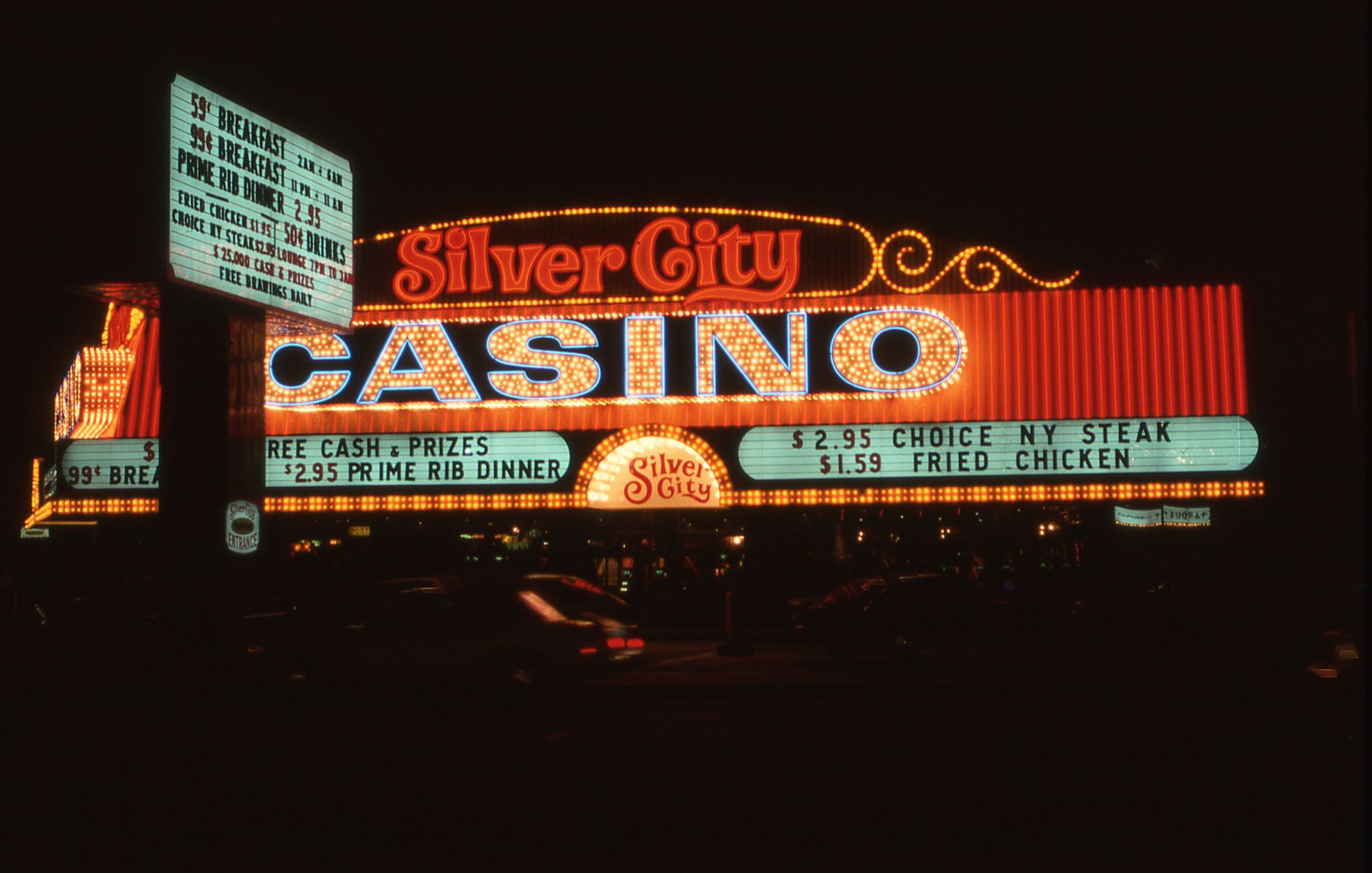
Gambling advertising ban could reshape the landscape of the industry. This article explores whether such a ban would truly help or hinder illegal operators.
Understanding the Gambling Advertising Ban
The recent discussions surrounding the gambling advertising ban have sparked intense debate among policymakers, industry stakeholders, and the public. Many proponents argue that such a ban is essential to protect vulnerable individuals from the potential harms of gambling addiction. By limiting the exposure to gambling advertisements, especially those targeting young adults, the hope is to reduce the normalization of gambling culture.
On the other hand, critics of the ban believe that it could inadvertently drive consumers towards illegal operators who do not adhere to regulations. They argue that a regulated environment is safer and more beneficial than pushing gambling activities underground. This could lead to a rise in unregulated gambling sites that lack consumer protections.
As the conversation continues, several key points are emerging:
- Public health concerns: The impact of gambling on mental health.
- Economic implications: Effects on the gambling industry and tax revenues.
- Regulatory challenges: Enforcement of a ban in a digital age.
Impact on Legal Operators
The recent discussion surrounding the gambling advertising ban has raised concerns about its impact on legal operators within the industry. While the intention behind the ban is to promote safety and reduce gambling-related harm, it is crucial to consider how it may affect businesses that comply with regulations.
Legal operators rely heavily on advertising to attract new customers and maintain their market presence. A sudden restriction could lead to several significant consequences:
- Reduced Visibility: Without advertising, legal operators may struggle to compete against illegal alternatives that continue to promote their services unregulated.
- Revenue Loss: A decline in customer acquisition could result in decreased revenues, affecting not only the operators but also associated businesses and employees.
- Shift to Underground Markets: If legal options become less appealing due to advertising restrictions, consumers may turn to illegal operators, undermining the ban’s goal.
Ultimately, while the gambling advertising ban aims to protect consumers, its unintended effects on legal operators could complicate the overall landscape of the gambling industry.
Potential Growth of Illegal Gambling
The potential growth of illegal gambling in the wake of a gambling advertising ban raises significant concerns among regulators and public safety advocates. As legal operators face restrictions on how they can promote their services, there is a fear that players may turn to unregulated platforms.
Illegal gambling operations often lack the safeguards found in licensed establishments, such as age verification and responsible gaming measures, which can lead to increased risks for vulnerable individuals. The following points highlight the possible repercussions:
- Increased Accessibility: With fewer legal advertisements, individuals may seek out illegal sites that are often easier to access.
- Higher Risk of Fraud: Unregulated operators can engage in deceptive practices, leaving players without recourse for lost funds.
- Public Health Concerns: The absence of oversight can exacerbate gambling addiction and associated mental health issues.
While the intention behind a gambling advertising ban is to promote safety, the unintended consequence may be a rise in illegal gambling that undermines these very goals.
Public Opinion on Gambling Ads
Public opinion on the gambling advertising ban is divided, with many expressing concerns about the impact on responsible gambling and public safety. A recent survey indicated that:
- 62% of respondents believe that gambling advertisements contribute to an increase in problem gambling.
- 45% feel that the current regulations are insufficient to protect vulnerable populations, such as minors and individuals with gambling addiction.
- 30% support a complete ban on gambling ads, citing the need for a safer environment.
Conversely, some argue that gambling ads are essential for promoting legal operators and generating tax revenue. They believe that a ban could lead to:
- Increased activity in the illegal gambling market.
- Loss of jobs associated with the legal gambling industry.
As the debate continues, it is clear that public sentiment is a crucial factor in shaping future regulations surrounding gambling advertising.
Case Studies from Other Regions
Several regions have implemented a gambling advertising ban, showcasing varied outcomes and lessons learned. These case studies provide valuable insights into the potential effects of such a ban.
- Australia: In Australia, a strict ban on gambling ads during live sports broadcasts has been enforced. This move aimed to reduce exposure for younger audiences. While it decreased the visibility of gambling promotions, there remain concerns about the effectiveness of the ban in curbing gambling addiction.
- Spain: Spain introduced a comprehensive gambling advertising ban in 2021, prohibiting all forms of gambling promotions. Early reports suggest a drop in gambling activity, but critics argue that illegal gambling operations have seen a surge as a result.
- Italy: Italy’s gambling advertising ban has led to a significant reduction in ads for legal operators. However, there is an ongoing debate about whether this has inadvertently boosted illegal gambling channels.
These case studies highlight the complexities surrounding a gambling advertising ban and its implications for safety and regulation.
Alternatives to Advertising Bans
While a gambling advertising ban may aim to protect consumers, there are several alternatives that could achieve similar goals without completely removing advertising. These alternatives focus on responsible gambling and consumer education.
- Enhanced Regulation: Instead of a total ban, regulators could implement stricter guidelines on how gambling companies advertise. This could include restrictions on the timing and placement of ads, ensuring they do not target vulnerable populations.
- Responsible Gambling Campaigns: The industry could invest in campaigns that promote responsible gambling practices. These campaigns could be designed to educate consumers on the risks associated with gambling, helping to reduce potential harm.
- Increased Funding for Support Services: Directing a portion of advertising revenues towards support services for gambling addiction could be a constructive alternative. This funding could enhance the resources available for those seeking help.
- Transparency Measures: Encouraging transparency in advertisements about the odds of winning and the risks of gambling could foster a more informed consumer base.
These alternatives could mitigate the potential negative impacts of gambling advertising while addressing safety concerns.
Regulatory Challenges Ahead
The proposed gambling advertising ban introduces a range of regulatory challenges that authorities must navigate. Implementing such a ban requires a comprehensive understanding of existing advertising frameworks and the potential implications for various stakeholders.
One major challenge is the enforcement of the ban. Regulators will need to develop robust mechanisms to monitor compliance, ensuring that both traditional and digital media adhere to the new rules. This could involve significant investment in technology and manpower, as well as collaboration with advertising platforms.
Additionally, the gambling advertising ban may face resistance from industry lobbyists who argue that restrictions could jeopardize jobs and economic growth. This opposition may lead to drawn-out negotiations and legal battles, further complicating the regulatory landscape.
Another concern is the potential for an increase in unregulated advertising from illegal operators, who may exploit loopholes in the legislation. This highlights the need for a balanced approach that effectively addresses safety concerns while considering the realities of the gambling market.
Overall, the path forward is fraught with challenges that will require careful planning and execution.
Future of Gambling Marketing
The future of gambling marketing is under significant scrutiny following the recent discussions around the gambling advertising ban. As regulators tighten restrictions, operators are forced to rethink their strategies.
With traditional advertising avenues closing, many legal operators may need to explore alternative marketing methods. These could include:
- Affiliate Marketing: Partnering with websites that already cater to gambling enthusiasts.
- Content Marketing: Creating informative content that engages potential customers while adhering to regulations.
- Social Media Engagement: Utilizing platforms to connect with audiences, albeit cautiously to avoid breaching advertising guidelines.
However, the concern remains that a gambling advertising ban could inadvertently create a more favorable environment for illegal operators. Without the ability to market legally, some companies may resort to unregulated advertising methods, which could lead to increased risk for consumers. The ongoing debate about the effectiveness of such bans highlights the need for a balanced approach that prioritizes safety while allowing legal operators to compete fairly.
Photo by Malcolm Hill on Pexels