

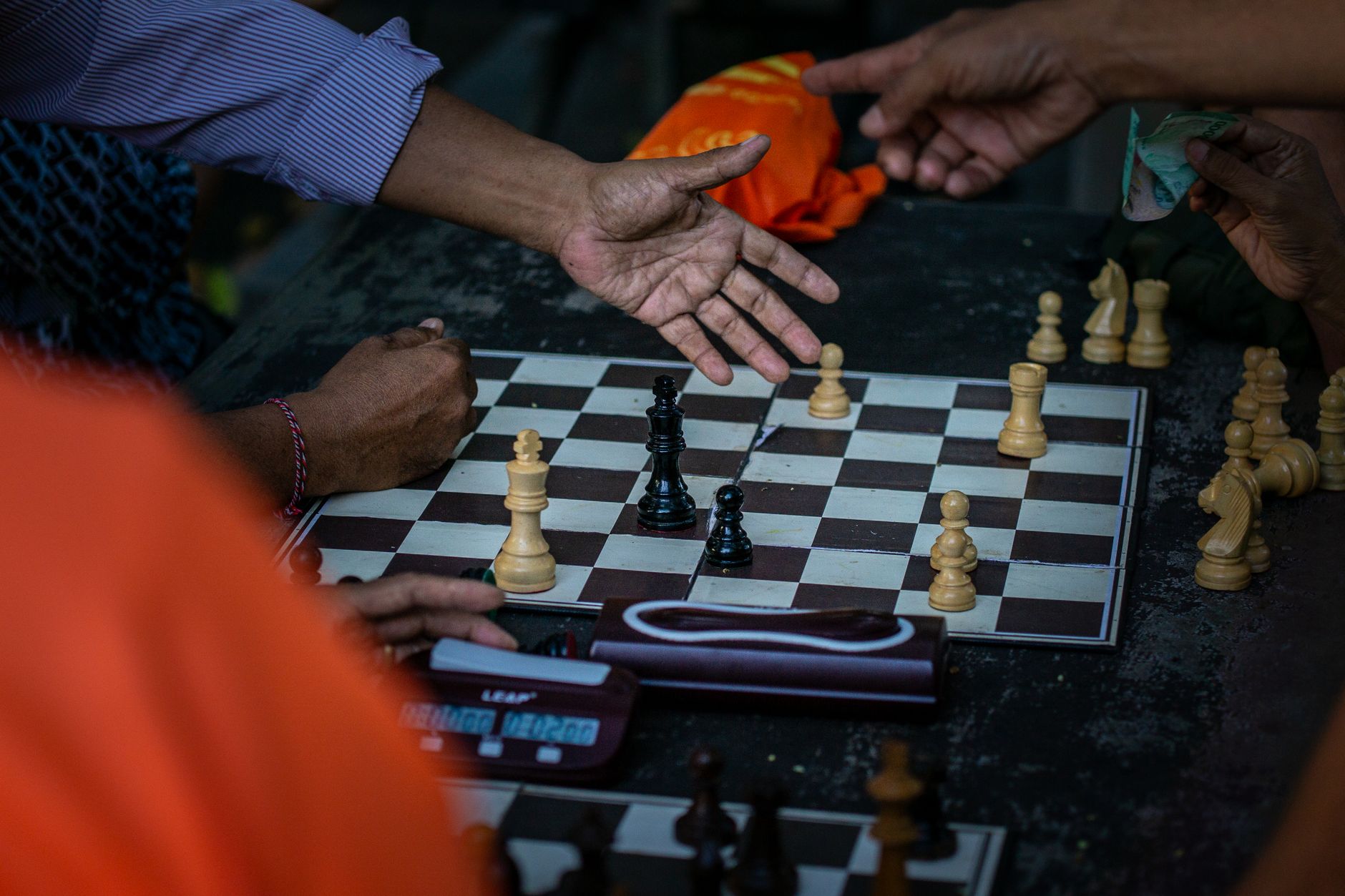
Magnus Carlsen forfeits game in a surprising turn of events during the Fast Classic against Bibisara Assaubayeva. This controversial decision has raised eyebrows in the chess community.
Overview of the Fast Classic
The Fast Classic tournament has become a focal point of attention within the chess community, especially following the recent incident involving reigning champion Magnus Carlsen. In a surprising turn of events, Magnus Carlsen forfeits game against Kazakhstan’s Bibisara Assaubayeva, prompting discussions around the implications of his decision.
This tournament features a rapid format that challenges players to think quickly and strategically. Participants engage in a series of matches that test their skills under time constraints, making every move crucial. The stakes are high, and players must maintain focus and composure to succeed.
Carlsen’s recent forfeiture has raised eyebrows, as many speculate on the reasons behind his decision. Some believe it may be a strategic move, while others see it as a sign of frustration with the current tournament dynamics. The incident has sparked conversations around the pressures faced by top-level players, especially in high-stakes environments.
As the tournament progresses, all eyes are on the remaining matches, with fans eager to see how this controversy will shape the future of the event.
Who is Bibisara Assaubayeva?
Bibisara Assaubayeva is a rising star in the world of chess, known for her impressive skills and remarkable achievements at a young age. Born in Kazakhstan, she has quickly gained recognition on the international stage, showcasing her talent in various tournaments.
At just 19 years old, Assaubayeva has already made history by becoming one of the youngest female players to earn the title of Grandmaster. Her strategic gameplay and ability to adapt to challenging situations set her apart from her peers. She has also been a key figure in promoting chess in Kazakhstan, inspiring young players and contributing to the growth of the sport.
In a recent match that drew significant attention, Magnus Carlsen forfeits game against Assaubayeva during the Fast Classic. This unexpected turn of events not only highlighted her skill but also sparked discussions about sportsmanship and the pressures faced by top players in high-stakes competitions. Assaubayeva’s victory over Carlsen has undoubtedly placed her in the spotlight, solidifying her status as a formidable opponent in the chess community.
Impact of forfeiting on Carlsen’s career
The recent decision by Magnus Carlsen to forfeit a game against Kazakhstan’s Bibisara Assaubayeva has sparked widespread discussion regarding its implications on his career. In the world of competitive chess, every game counts, and for Carlsen, known for his strategic prowess, this forfeiture marks a notable departure from his usual approach.
Forfeiting a game can have several repercussions, both immediate and long-term, for a player of Carlsen’s caliber. Firstly, it raises questions about his mental state and focus, particularly in high-pressure situations. A player of his stature is expected to uphold the highest standards of competitive integrity, and this incident may lead to scrutiny from fans and analysts alike.
Moreover, this forfeit could affect Carlsen’s ranking and standing in future tournaments. In a sport where every point matters, the consequences of forfeiting can ripple through the competitive landscape. Some experts speculate that such a move might even influence younger players’ perceptions of him, especially those looking up to the reigning world champion.
Ultimately, the decision to forfeit a game is one that can reshape a player’s legacy, and it remains to be seen how this particular incident will impact Carlsen’s future in chess.
Reactions from the chess community
The chess community has been abuzz with reactions following the news that Magnus Carlsen forfeits game against Kazakhstan’s Bibisara Assaubayeva during the Fast Classic. Many have expressed their disbelief at this unexpected turn of events.
Prominent chess commentator, Grandmaster Daniel Naroditsky, shared his thoughts on social media, stating that Carlsen’s decision was both surprising and disappointing. He emphasized the importance of maintaining composure, especially at such a high level of competition.
On various online forums, players and fans alike have weighed in:
- Maria Muzychuk, a former Women’s World Champion, noted the potential psychological impact on Carlsen and questioned whether the pressure of expectations had played a role in his decision.
- Hikaru Nakamura, a well-known streamer and player, suggested that forfeiting a game could be a strategic move, possibly aimed at sending a message to his competitors.
- Others argued that Carlsen’s legacy should not be defined by this single incident, urging fans to focus on his remarkable achievements.
As discussions continue, many are left wondering how this moment will shape the narrative of Carlsen’s career moving forward.
Analysis of the game
The recent game between Magnus Carlsen and Bibisara Assaubayeva in the Fast Classic has sparked significant debate within the chess community. Carlsen, known for his strategic prowess, made a surprising decision to forfeit the game, a move that left many puzzled.
In analyzing the situation, several factors come into play:
- Psychological Pressure: Carlsen has faced immense pressure in recent tournaments, which may have influenced his decision-making process.
- Strategic Missteps: Observers noted that Carlsen’s position was deteriorating, and his forfeit could be seen as an acknowledgment of Assaubayeva’s skillful play.
- Game Dynamics: The game had shifted dramatically, and Carlsen’s choice might reflect a new approach to high-stakes matches, prioritizing mental well-being over traditional competitive norms.
While the decision to forfeit a game is rare for a player of Carlsen’s caliber, it raises questions about the evolving nature of chess in the face of intense competition. The implications of Magnus Carlsen forfeiting a game, especially against a rising star like Assaubayeva, are still unfolding and will undoubtedly influence future matches.
Historical context of forfeits in chess
The history of forfeits in chess is as old as the game itself, with instances dating back to its inception. Forfeiting a game, especially in high-stakes tournaments, often raises eyebrows and sparks debate among players, spectators, and analysts alike. In most cases, forfeits occur due to time violations, player conduct issues, or external factors that hinder a player’s ability to continue.
Magnus Carlsen’s recent decision to forfeit his game against Bibisara Assaubayeva is particularly noteworthy given his status as a world champion. Throughout chess history, few players have had to navigate the complex emotions and ramifications associated with forfeiting. Notable forfeits have included legendary players like Bobby Fischer and Garry Kasparov, who faced their own controversies that shaped their careers.
The impact of a forfeit can be profound, influencing public perception and player morale. As seen in Carlsen’s case, the decision to forfeit a game often leads to discussions about strategy, mental fortitude, and the pressures of professional play. The chess community continues to analyze these moments, recognizing that forfeits can be a pivotal aspect of the sport’s narrative.
Future implications for Carlsen
The recent incident where Magnus Carlsen forfeits game against Bibisara Assaubayeva has raised significant questions about his future in competitive chess. As a player known for his strategic brilliance, this unexpected decision may lead to a reevaluation of his approach to the game.
Many analysts believe that Carlsen’s forfeiture could have lasting implications for his career trajectory. A player of his stature is usually expected to maintain a level of composure under pressure, and this incident might signal a shift in his mental state. The chess world is now watching closely to see how Carlsen bounces back from this controversial setback.
Furthermore, the incident may affect his relationships within the chess community. With rising stars like Assaubayeva gaining attention, Carlsen may find himself in a more competitive environment, compelling him to adapt and evolve his style. His next moves will be crucial, not just for his immediate performance, but also for reinforcing his legacy.
Ultimately, the fallout from this incident will likely shape the narrative around Carlsen as he navigates the complexities of professional chess in the years to come.
Conclusion on sportsmanship in chess
The recent decision by Magnus Carlsen to forfeit his game against Bibisara Assaubayeva in the Fast Classic has sparked a significant debate about sportsmanship in chess. This incident raises questions about the responsibilities of top players, especially when they face unexpected challenges during a match.
Forfeiting a game is a rare occurrence in the professional chess world and often viewed as a sign of disrespect towards the opponent and the game itself. Carlsen’s choice to walk away signifies more than just a tactical decision; it reflects an emotional response to the pressures of competition. Many within the chess community are now pondering whether this act undermines the integrity of the sport.
Critics argue that such decisions could set a troubling precedent, leading younger players to question their commitment during challenging situations. On the other hand, supporters of Carlsen suggest that his actions stem from a deep respect for the game, unwilling to compromise his standards in a high-stakes environment.
Ultimately, the incident calls for a reevaluation of sportsmanship principles in chess, ensuring that players uphold the values of respect and integrity, even in the face of adversity.
In a surprising twist, Magnus Carlsen forfeits game after a series of miscalculations that left fans in disbelief. Many are questioning what led to the moment when Magnus Carlsen forfeits game, a decision that could impact his ranking significantly.
Photo by Dwi Candra on Pexels
Sources
Related reading
Amazon Ads prediction markets: Is it the best gambling tool? · Sunil Joshi bat: The Proven Secret Behind Tendulkar’s Success · Rohit Sharma Virat Kohli Next Match: Quick Updates You Need