

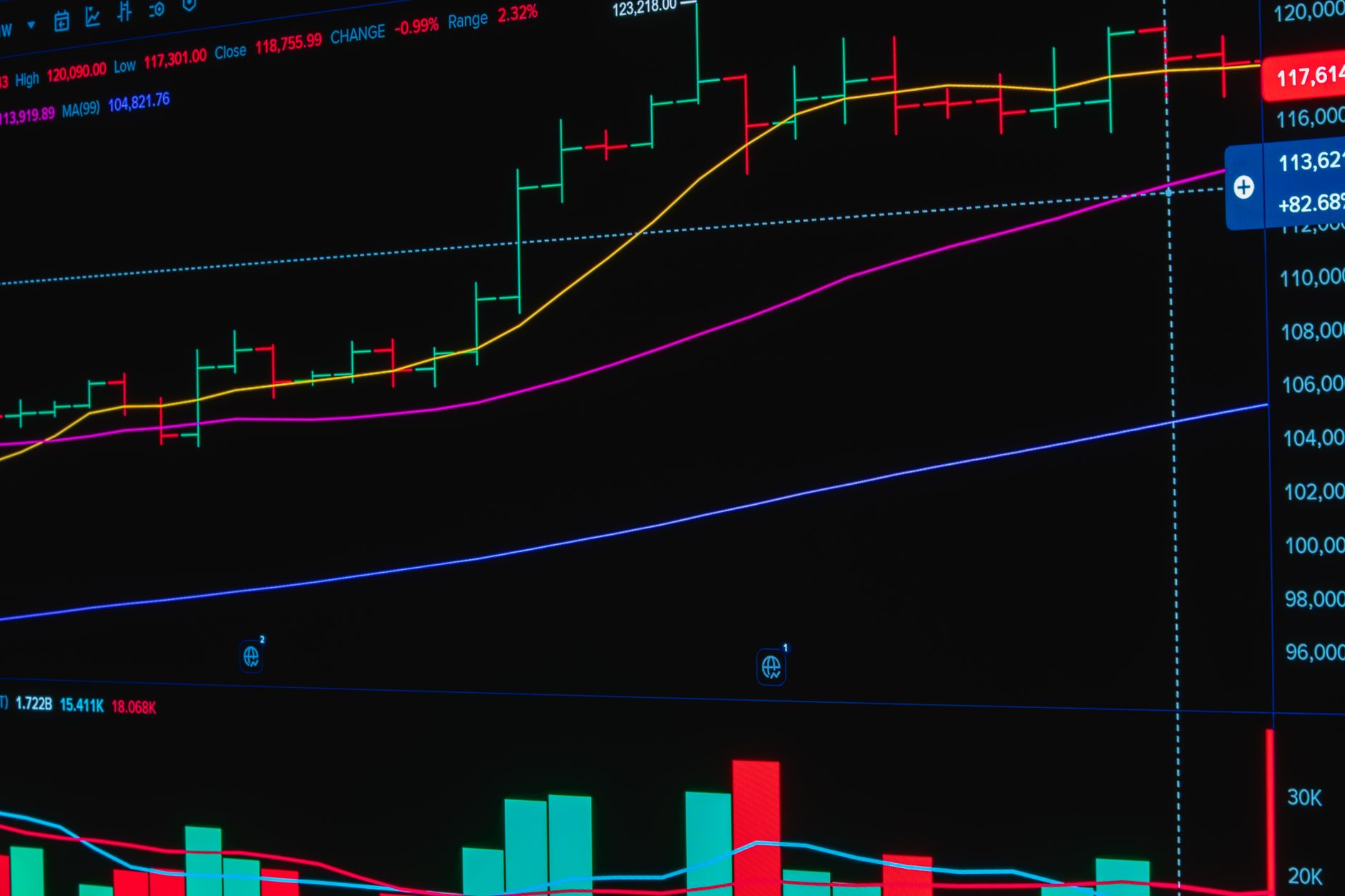
prediction market regulation is at the forefront of legal battles as Crypto.com and Novig challenge Missouri’s stance. This lawsuit could reshape the landscape of prediction markets in the U.S.
Overview of the Lawsuits
In recent developments, the legal landscape surrounding prediction market regulation has become increasingly contentious. Crypto.com and Novig have filed federal lawsuits against the state of Missouri, challenging the regulatory framework governing prediction markets in the region. These lawsuits have highlighted several critical issues that could impact the future of such markets.
Both companies argue that the state’s interpretation of existing laws is overly restrictive and stifles innovation within the cryptocurrency and prediction market sectors. The primary points raised in the lawsuits include:
- Unclear Regulations: The plaintiffs claim that the current regulations lack clarity, making it difficult for legitimate businesses to operate.
- Infringement on Free Market Principles: The lawsuits assert that the Missouri regulations infringe upon the right to engage in free market activities, thereby harming consumers and businesses alike.
- Potential for Stagnation: Critics of the regulations fear that excessive legal barriers could deter investment and innovation in the prediction market space.
As these lawsuits progress, the outcome may significantly influence the future trajectory of prediction market regulation not just in Missouri, but across the United States.
Impact on Prediction Markets
The recent legal battles surrounding prediction market regulation have raised significant concerns about the future of these innovative platforms. As states like Missouri attempt to crack down on prediction markets, the impact on both operators and users could be profound.
One of the most pressing effects of stringent regulations might be the stifling of innovation within the industry. Without a clear framework that encourages growth, companies could be hesitant to invest in prediction markets. This could lead to:
- Reduced participation: Users may shy away from platforms that face legal uncertainties, leading to decreased engagement and liquidity.
- Increased costs: Compliance with onerous regulations could drive up operational costs, ultimately leading to higher fees for users.
- Market fragmentation: Different states may adopt varying regulations, causing confusion and limiting access for users across state lines.
Moreover, as lawsuits like those filed by Crypto.com and Novig highlight, the battle over prediction market regulation is far from settled. The outcome of these legal challenges could shape the landscape of prediction markets for years to come, either fostering a thriving ecosystem or severely limiting its potential.
Crypto.com and Novig’s Arguments
In the ongoing legal battle surrounding prediction market regulation, both Crypto.com and Novig have presented compelling arguments against the current regulatory framework imposed by the state of Missouri. They assert that the regulations stifle innovation and limit the potential for these markets to thrive.
Crypto.com emphasizes that such stringent rules inhibit competition and create barriers for new entrants in the prediction market sector. They argue that fostering an open environment would encourage more participants, ultimately benefiting consumers and the market’s growth.
Novig, on the other hand, highlights the potential for prediction markets to provide valuable insights into public opinion and future events. They contend that excessive regulation could hinder the ability of these platforms to operate effectively, thus limiting their utility.
Both companies are advocating for a more balanced approach to regulation that recognizes the unique characteristics of prediction markets. They believe that a collaborative effort between regulators and industry stakeholders could lead to a regulatory framework that protects consumers while promoting innovation.
- Crypto.com: Argues regulations stifle innovation.
- Novig: Emphasizes the insight potential of prediction markets.
- Call for collaboration: A balanced approach is essential.
Missouri’s Response to the Lawsuits
In response to the lawsuits initiated by Crypto.com and Novig, Missouri’s regulatory body has taken a firm stance on prediction market regulation. Officials argue that these platforms operate outside the bounds of state laws designed to protect consumers and maintain the integrity of gambling activities.
Missouri has long been cautious about unregulated markets, emphasizing the potential risks involved. As such, the state contends that allowing prediction markets to flourish without oversight could lead to significant financial harm for participants and undermine existing legal frameworks.
The lawsuits filed in federal court have sparked a heated debate over the future of prediction markets in the state. Proponents of the platforms argue that regulation is stifling innovation and that these markets can provide valuable insights into societal trends and public sentiment. They believe a more balanced approach to prediction market regulation could foster growth while ensuring consumer protection.
In light of this situation, Missouri’s officials are considering potential revisions to existing laws to better accommodate the evolving landscape of digital markets. This response may shape not only the future of prediction markets in Missouri but also set a precedent for other states grappling with similar regulatory challenges.
Historical Context of Prediction Markets
The historical context of prediction markets reveals a complex landscape shaped by regulatory scrutiny and evolving technology. Initially, these markets emerged as platforms for individuals to trade on the outcomes of future events, such as elections and sports. However, their growth attracted the attention of regulatory bodies, leading to significant legal challenges.
In the early 2000s, the Commodity Futures Trading Commission (CFTC) began to assert its authority over prediction markets, classifying them as illegal gambling operations unless they met specific criteria. This led to a series of lawsuits and regulatory interventions that aimed to curtail their operations. Stakeholders have argued that such actions stifle innovation and limit the potential benefits of prediction markets, which can provide valuable insights into public sentiment and future trends.
As technology advanced, new players entered the space, including cryptocurrency-based platforms that offered decentralized prediction markets. These developments prompted debates over how the existing regulatory framework should adapt to accommodate the unique characteristics of blockchain technology. The current discussion around prediction market regulation is crucial, as it can significantly influence the future viability of these platforms in a rapidly changing digital economy.
Future of Gambling Regulations
The landscape of gambling regulations is evolving, particularly with the rise of prediction markets. As various states grapple with the legal status of these markets, the future of gambling regulations is uncertain. Several factors will likely influence how prediction markets are regulated moving forward.
Firstly, public perception plays a crucial role. As more individuals engage with prediction markets, their popularity may prompt lawmakers to rethink existing regulations. If citizens view these platforms as legitimate tools for information and decision-making, rather than mere gambling, we could see a shift towards more favorable regulatory frameworks.
Secondly, the involvement of technology companies like Crypto.com and Novig highlights the potential for innovation in this sector. These firms argue that current regulations stifle growth and technological advancement. If successful in their lawsuits, they could pave the way for more flexible regulations that accommodate evolving market dynamics.
Lastly, as states like Missouri respond to legal challenges, their decisions will set precedents for others. A cohesive approach to prediction market regulation could emerge, balancing consumer protection with the desire for innovation. The outcome of ongoing lawsuits and legislative discussions will ultimately shape the future of gambling regulations and the fate of prediction markets.
Expert Opinions on the Case
Experts in the field of gambling law and prediction markets have weighed in on the implications of the ongoing lawsuits concerning prediction market regulation. According to Dr. Emily Carter, a prominent legal scholar, “The outcome could set a critical precedent for how prediction markets are governed in the United States.” She emphasizes that a restrictive regulatory environment might stifle innovation and limit the potential benefits that such markets can offer to participants.
Additionally, economist John Liu argues that “overregulation could deter new entrants in the market, leading to a monopoly by established players.” Liu believes that fostering a balanced regulatory framework is essential for promoting competition and ensuring consumer protection while not hindering market growth.
Industry analyst Sarah Thompson points out that “the current legal battles could create a chilling effect, making companies hesitant to invest in prediction markets.” She warns that if the regulations become too stringent, it may push these markets underground, where they would lack oversight and consumer safeguards.
In conclusion, as the lawsuits unfold, the expert consensus highlights the need for thoughtful prediction market regulation that balances innovation with accountability, ensuring a vibrant ecosystem for all stakeholders involved.
The implications of prediction market regulation can be far-reaching, affecting both the participants and the overall market dynamics. Understanding the worst prediction market regulation impact is crucial for stakeholders looking to navigate this complex landscape.
Photo by Rafael Minguet Delgado on Pexels
Sources
You might also like
Finnish Gambling Licence: Best Approval for Wildz Casino · Indirect talks with US: Proven Ways to Understand the Process · Rohit Sharma Selector Candidates: The Right Choice for BCCI